Singapore HDB: VERS Takes Shape

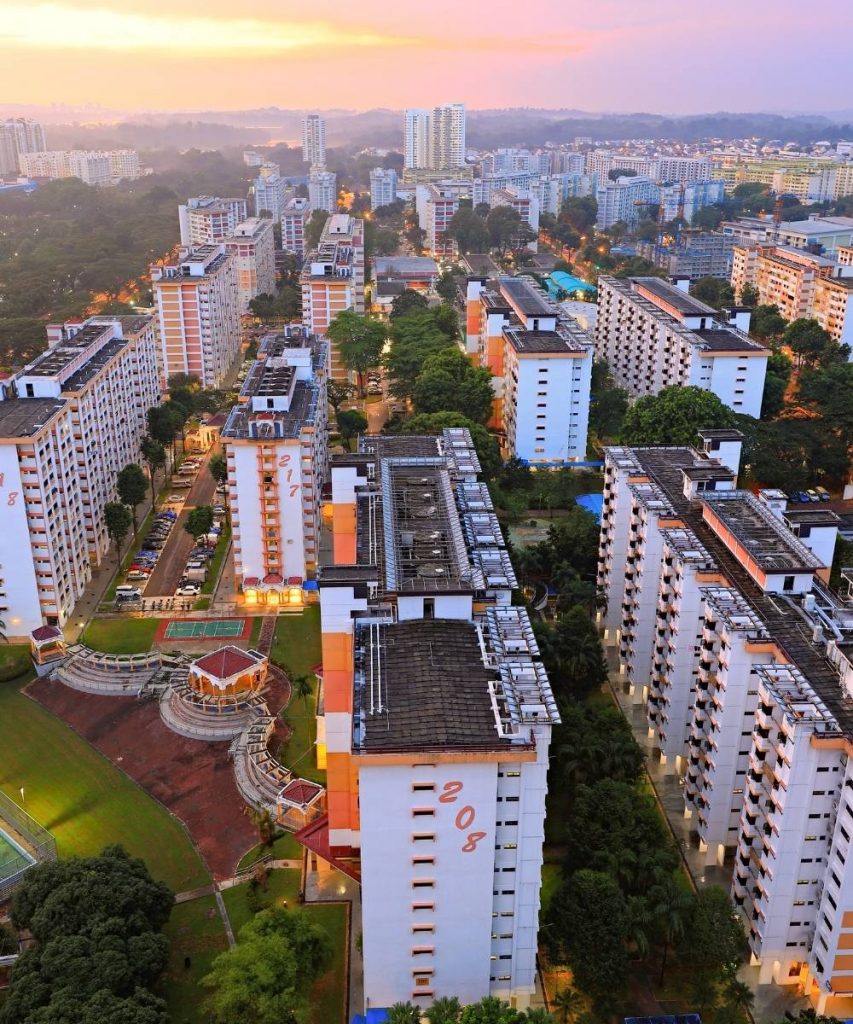
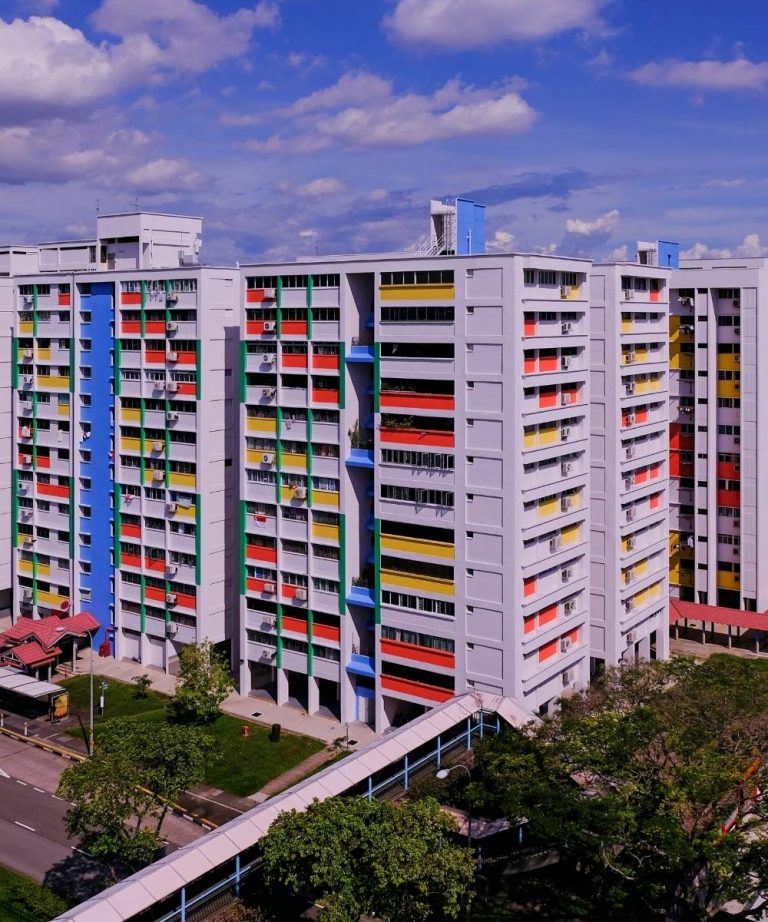
Singapore HDB estate with tall white blocks and red, yellow, green, blue façade panels beside a sheltered walkway on a sunny day—illustrates public-housing renewal.

Singapore’s HDB renewal is entering a new phase.

Announced in 2018 and updated in August 2025, the Voluntary Early Redevelopment Scheme (VERS) is moving toward a 2030s rollout—giving mature towns like Toa Payoh, Bedok, Yishun, Queenstown and Ang Mo Kio a clearer, vote‑based path to renewal around the 70‑year mark.

The Selective En bloc Redevelopment Scheme (SERS) has no new projects planned for now, and the scheme remains on the books.

Any future use would be considered case-by-case based on redevelopment potential and policy priorities.

Beyond policy, market behaviour has shifted: older flats saw a long slide through the mid‑2010s, then a post‑2020 rebound that pushed past prior highs.

The question is whether that repricing is late‑cycle—or the new baseline.

Table of Contents

Context: From SERS to VERS

Before VERS, estate renewal largely meant SERS—a scheme reserved for sites with strong redevelopment potential, where the Government could offset much of the cost through new housing sales.

While effective for select precincts (e.g., parts of Ang Mo Kio), it left many aging towns untouched.

Introduced in 2018, VERS shifts the focus to a community‑driven process for estates nearing the 70‑year lease mark.

Instead of chasing immediate land value gains, it emphasises long‑term urban planning and orderly renewal.

This opens the door for more towns—from Toa Payoh’s pioneering flats to Bedok’s expansive precincts—to see rejuvenation within residents’ lifetimes.

Why the Shift Was Necessary

Lease-decay and renewal needs in HDB mature towns

By the 2070s, a wave of HDB leases will hit their final decades—not just in a few blocks, but across entire towns such as Toa Payoh, Bedok, and Yishun.

If left unmanaged, that kind of mass lease expiry could depress property values, strain infrastructure, and unsettle communities.

SERS could never scale to that level; it was a surgical tool, not a town‑wide strategy.

VERS is designed to be different—spreading redevelopment over 20–30 years, aligning it with housing demand, and keeping it fiscally sustainable.

It also sends a clear market signal: older flats aren’t speculative lottery tickets; they’re homes, and renewal must make sense for both residents and the national balance sheet.

Quarter Snapshot — 2Q 2026

Momentum
−0.3% q/q
2Q 2026 (final), after −0.1% in 1Q — the first back-to-back quarterly decline since around 2019.
Index level
202.8
HDB Resale Price Index, easing from the all-time high of 203.7 in 3Q 2025.
Annual arc
+9.7% → +2.9%
Full-year 2024 → 2025, followed by two soft quarters in 2026.

A slower pace, not a collapse — and an islandwide read, not a verdict on any one flat. For how these market movements interact with a specific flat's age, size and location, see our HDB depreciation curve guide.

Source: HDB Resale Price Index, official quarterly releases up to 2Q 2026 (final). The index figures are HDB's own published data; the one-line reading above is ours — verify against HDB before relying on any figure.

Older Flats, New Signals

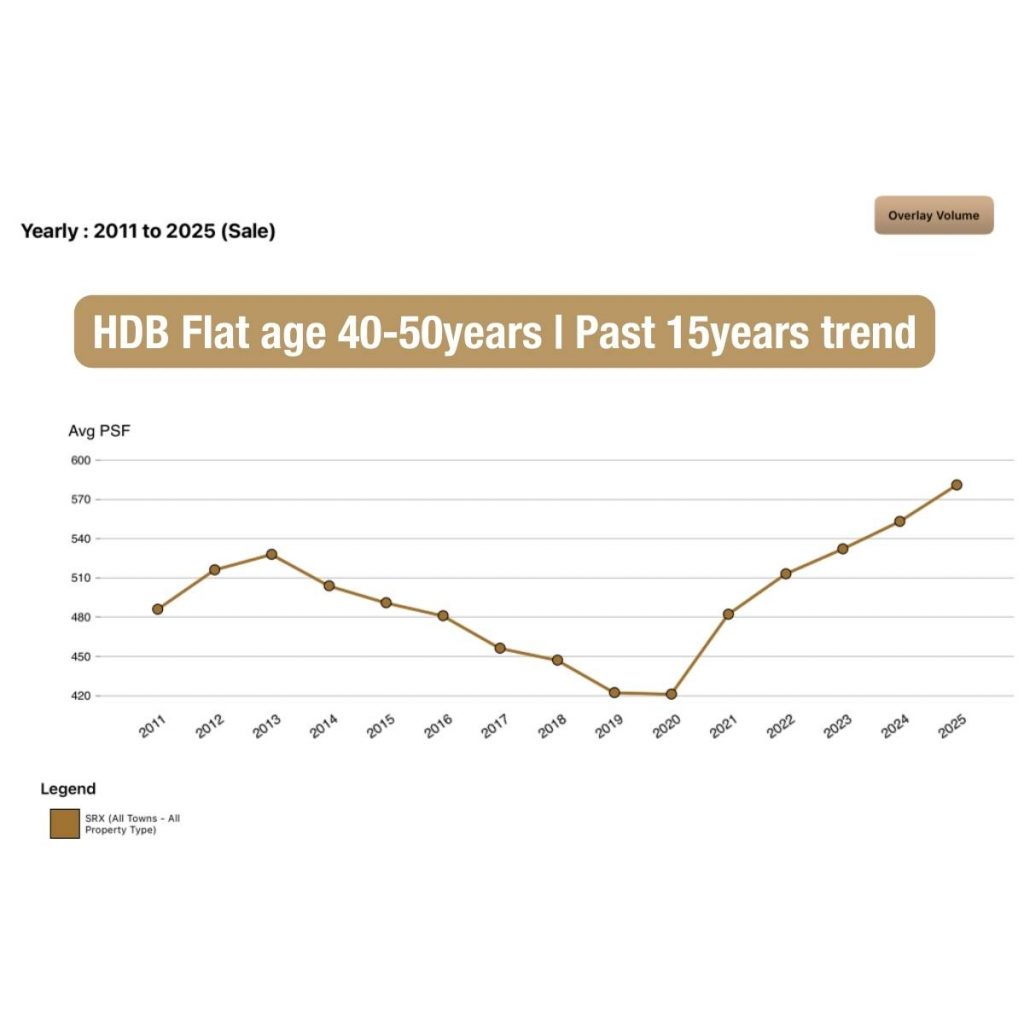
Trend for older 40–50-year HDB flats—2013–2020 decline and strong rebound to 2025.

In the early 2010s, older HDB flats in the 40–50‑year range climbed steadily before entering a prolonged correction.

Cooling measures, tighter lending rules, and growing awareness of lease decay gradually pulled prices lower year after year.

Then came 2020—and the dynamics flipped. Pandemic‑driven demand for more space, record‑high private home prices, and limited resale supply pulled buyers back into this segment.

Lease‑decay concerns didn’t vanish, but urgency and tight supply outweighed hesitation.

By 2025, these flats hadn’t just recovered—they’d set new benchmarks.

Since then, the broader index has cooled: two consecutive quarterly declines in 2026, the first back‑to‑back drop since around 2019.

That doesn’t undo the repricing of older flats. But it does mean the rebound is no longer the whole story—the market is now testing which of those gains were structural, and which were simply the cycle.

For an owner, the takeaway isn’t a prediction.

It’s that this segment has now shown both halves of its character within a decade—a long slide and a sharp recovery—and any plan worth having should work in both.

Plan Around VERS Without the Stress

Move with Confidence, Not Rush

Your home has carried years of family moments. If you’re considering the next chapter, let’s plan it with data, care, and control—no pressure, just options that fit your life.

What matters to most owners

  • Clear numbers you can trust — a simple view of likely proceeds after loan & CPF.
  • A timeline that respects your routines — keys, school terms, caregiving, work.
  • Staying close to what you love — a shortlist near family, friends, and familiar places.

Our gentle promises

No pushy sales. A calm, FREE, no-obligation chat.

Plain-English plan. One page, tailored to you.

Your pace. We work to your timing, not ours.

Personalise a 1-page plan (FREE, no obligation)

We’ll reply with a concise one-page summary and discussion plan tailored to your timing and preferences.

Source note: Based on our own research and public information; we’ll confirm details with you before sharing estimates.

How VERS Will Work

Precinct selection. The government identifies precincts where blocks are approaching 70 years on their 99‑year leases.

Selection isn’t just about age—it weighs building condition, redevelopment feasibility, and alignment with long‑term urban plans.

Community vote. Residents have the final say. Without a clear majority in favour, the precinct continues on its current track with existing maintenance and upgrading.

Compensation model. Valuation is expected to be linked to remaining lease value, with a modest top‑up to support relocation.

Terms are expected to be more conservative than SERS, balancing fairness with fiscal sustainability.

Replacement housing. Where possible, new flats are offered nearby, allowing residents to stay within familiar social networks and amenities.

By shifting from compulsory acquisition to collaborative renewal, VERS allows towns like Toa Payoh, Bedok, and Yishun to plan ahead and move forward on their own terms.

Phased rollout. Residents of selected precincts approaching the 70‑year mark will vote on whether to sell their flats back to the Government.

If a clear majority agrees, the site is redeveloped and owners receive a package linked to the remaining lease value with a modest top‑up.

Early precincts are targeted to serve as pilots before wider rollout from the 2030s.
What Parliament Said in September 2025

The most recent official signal on VERS came in Parliament on 23–24 September 2025, when Minister for National Development Chee Hong Tat answered questions on the scheme’s design.

Three points matter for owners.

  1. Compensation is not settled. The Minister confirmed the package details are still being worked out, and that valuations will vary by site and by unit — much like flat valuations today.

    Any specific payout figure circulating before HDB tables the terms is a story, not a fact.

  2. Not every older flat will get VERS. Asked whether the scheme could apply to all HDB flats, the Minister said universal application would cause excessive upheaval; redevelopment will be phased, precinct by precinct, to reduce disruption for residents and businesses.

  3. It is renewal, not a windfall. The exchange made the design intent explicit: VERS is meant to be an orderly renewal programme that avoids the lottery effect SERS created — which is also why its terms are expected to be leaner.

The Ministry also indicated it is studying relocation support options across different resident demographics. None of this changes the planning rule: build your hold-or-sell decision so it still works if VERS never reaches your block.

Source: Ministry of National Development, oral answer on VERS, Parliament sitting of September 2025 (mnd.gov.sg, Parliament Matters).

SERS vs VERS — What Actually Differs

Updated · Jul 2026
Comparison of SERS and VERS across current status, decision model, timing and compensation.
Aspect SERS VERS
Current status (Jul 2026) No new projects planned for now; any future use would be considered case-by-case. Framework in development; pilots targeted in the 2030s. Parliament confirmed in September 2025 that package details are still being worked out.
Decision model Compulsory; no resident vote. Voluntary; proceeds only with a resident mandate (vote).
When it typically happens Can happen well before 50 years when redevelopment merits it. Geared to the 70+-year window; early pilots targeted in the early 2030s.
Compensation (high-level) Compensation at market value; often paired with a subsidised replacement flat nearby. Package expected to be referenced to remaining-lease value with a modest top-up; designed to be leaner than SERS. Terms not finalised.

For the fuller planning comparison — including selection scope, rehousing and how to use each scheme in a hold-or-sell decision — see What are SERS and VERS — and will my flat qualify? in our lease decay guide.

Notes: Based on public guidance as of July 2026, including the September 2025 parliamentary update. VERS parameters are still being finalised — no voting threshold has been officially announced. Towns referenced in our article are illustrative based on age profiles and do not indicate confirmed pilot sites.

Impact on Homeowners and the Market

VERS gives owners in older towns a clearer, more predictable timeline.

Instead of waiting for a rare SERS announcement, precincts can plan decades ahead—making moves like upgrading, right‑sizing, or passing on the flat with greater certainty.

For the market, VERS smooths out the sudden spikes and dips that came with SERS, creating steadier, more sustainable renewal cycles.

Market Signals and the SERS Pause

SERS has no new projects planned for now, and the scheme remains on the books.

Any future use would be considered case‑by‑case, based on redevelopment potential and policy priorities.

For the market, this means older flats in non‑SERS towns lose the speculative upside, but gain a clearer, more predictable pathway for eventual rejuvenation—a shift from hope to planning.

Community Involvement & Voting Process

Community involvement in VERS—resident voting and town-hall style engagement.

A defining feature of VERS is its built‑in consensus.

Renewal will proceed only if a significant majority of residents vote in favour, ensuring that the decision reflects the collective will of the community.

Ahead of any vote, the Government will provide clear information on compensation, rehousing options, and timelines.

This structured approach gives residents the ability to weigh personal circumstances against town‑wide benefits—making VERS a measured, community‑led path to renewal.

Looking Ahead: The 2030s and Beyond

The real shift with VERS isn’t just in the policy—it’s in the mindset.

For decades, lease decay felt like a ticking clock no one could stop.

Now, there’s a roadmap that lets communities decide their own chapter endings, instead of waiting for a top‑down directive.

The 2030s may sound far away, but in planning terms, that’s around the corner.

The towns first in line—whether Toa Payoh, Bedok, Yishun, or others—will set the tone for how Singapore renews itself in the decades ahead.

Final Take & Market Implications

The August 2025 update marks a structural shift in public housing renewal.

While SERS has no new projects planned for now, VERS extends the conversation to more towns, more flats, more residents.

It introduces a new variable in long‑term housing value—how renewal pathways might influence demand, pricing resilience, and upgrade options.

For owners, it’s a reason to monitor both lease timelines and policy signals.

For buyers, it’s a fresh layer of strategy when assessing older estates.

Singapore couple meeting a housing adviser at home—friendly, free, no-obligation HDB consultation about VERS/SERS options.

Planning a move in the next 1–6 months? Let’s map your options around VERS/SERS, town signals, financing, and timelines.

Article read: 20% complete.

What's left is the part no article can do — what VERS, your lease and your timing actually mean for your flat. One session with Rick closes that gap.

YOUR PROGRESS 20%

Article read — you've done the groundwork.

2. How much time shall we set aside?
3. Pick a day to meet Rick
4. What time of day?
Request sent — 100% ✓
Rick will confirm the session with you directly on WhatsApp.
If WhatsApp didn't open, tap here

This sends a session request via your own WhatsApp — Rick confirms the timing and meeting place with you personally. Nothing is stored on this page.

FAQ: VERS, SERS, and the 70-Year Renewal Plan

Updated July 2026 · Singapore HDB

+ What is VERS and when will it start?

VERS (Voluntary Early Redevelopment Scheme) is Singapore’s vote-based pathway to renew aging HDB estates around the 70-year mark. First announced in 2018, it’s being detailed through the late 2020s, with pilots in the early 2030s and scaling thereafter. It’s designed for orderly, town-wide renewal over 20–30 years, not one-off sites.

+ Is SERS ending or paused?

SERS has no new projects planned for now, and the scheme remains on the books. Any future use would be considered case-by-case, based on redevelopment potential and policy priorities.

+ How will voting/compensation work?

Details are being finalized — Parliament confirmed in September 2025 that the package is still being worked out. The intent: a resident vote (clear-majority threshold to be set), compensation linked to remaining lease value with a modest top-up, and replacement housing nearby where possible. The package is meant to be fair yet fiscally sustainable. Residents who don’t move under VERS can remain until lease expiry, with ongoing upgrading programmes.

No voting threshold has been officially announced — treat any specific percentage you read elsewhere as unconfirmed.

+ How might VERS affect older HDB resale prices?

VERS reduces expectations of “SERS windfalls” and clarifies lease-decay realities. In tight-supply periods, older flats can still hold up—as seen post-2020—but as VERS rules firm up (and with no guaranteed en-bloc), some buyers may tilt toward newer stock. Near-term pricing also depends on interest rates, BTO supply, and town-level amenities.

For the mechanics behind that decay — how remaining lease shapes CPF use, loan tenure, and your buyer pool — see our HDB Lease Decay guide.

Note: Answers summarize official guidance as of July 2026, including the September 2025 parliamentary update, and will evolve as the VERS framework is finalized.

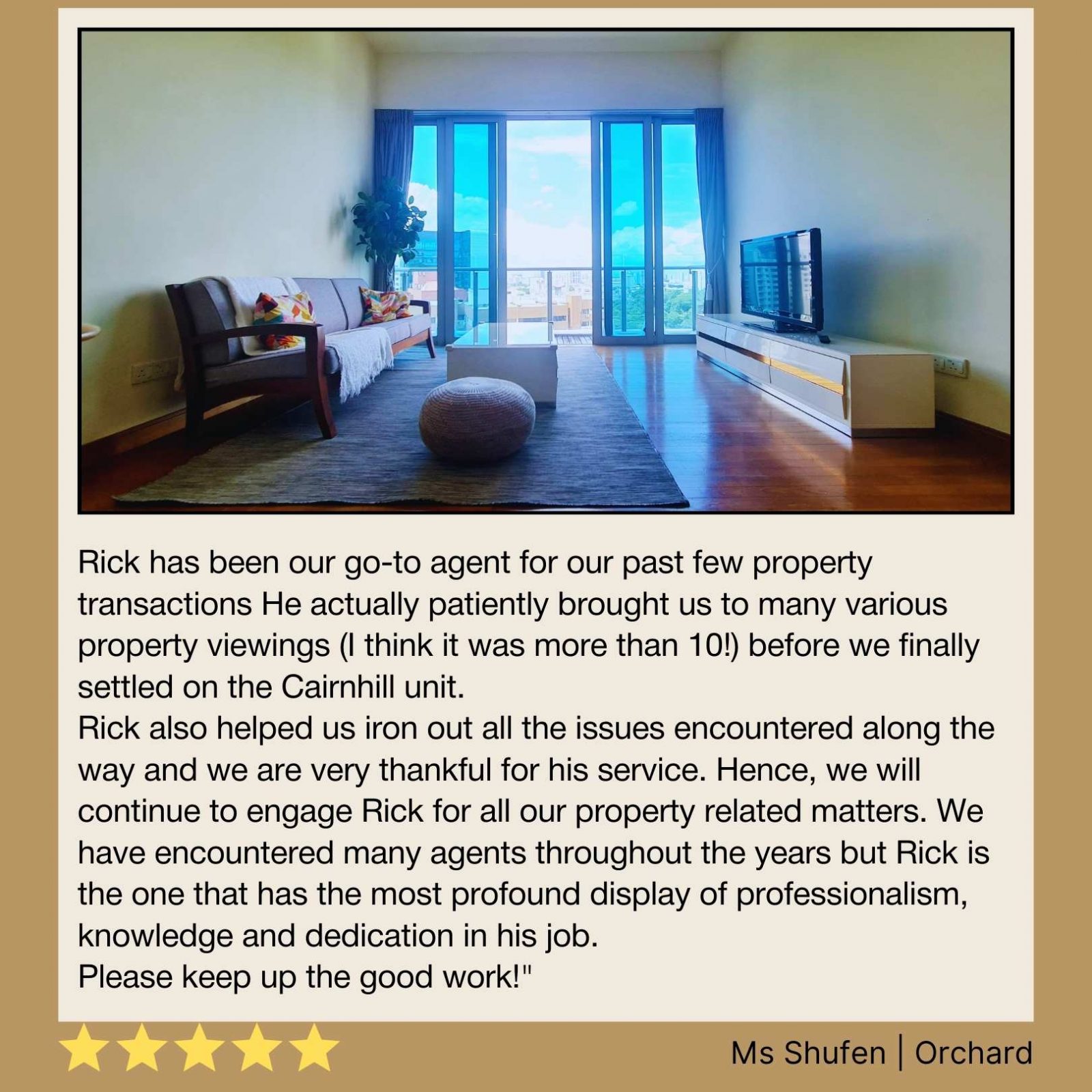
What My Clients Say | Genuine Experiences

Real stories, real experiences—because your journey deserves nothing less than the best.

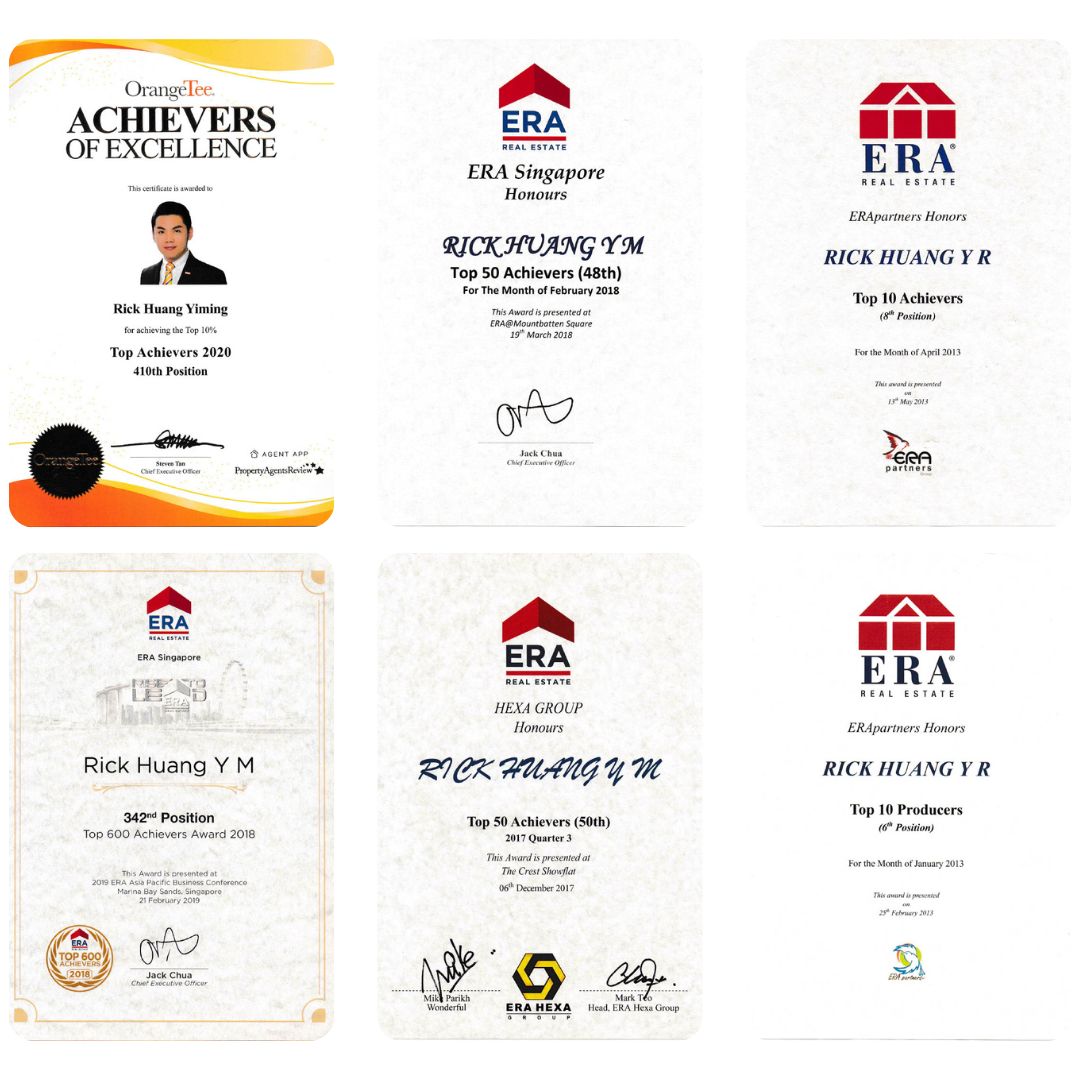
Awards and Accolades

Self Introduction

blog-pic

Hi, I’m Rick Long,

Associate Senior Division Director, Huttons Asia · CEA Reg. R026818Z

With decades of experience in Singapore’s real estate market, I’ve had the privilege of being mentioned in media outlets such as Channel NewsAsia, The Straits Times, and 99.co.

Over the years, I’ve written extensively on the local property landscape — tackling the real questions buyers and sellers face, and helping them navigate each step with greater steadiness and confidence.

Many of my clients have become long-time friends — their trust and kind reviews continue to inspire me to raise the bar in everything I do. 

I believe real estate should be strategic, seamless, and deeply aligned with your life’s journey.

Disclaimer: The case studies and information are for educational use only and i make no representation or guarantees with respect to the accuracy, applicability, or completeness of its contents. There shall be no liability for any loss or expense whatsoever, relating to investment decisions made by the reader.

Leave a Reply